
Tenor Saxophone Used by Sullivan Jackson
THF806803 / Tenor Saxophone Used by Sullivan Jackson / view
01
Artifact Overview
Dr. Sullivan Jackson, a lifelong music lover, began playing the tenor saxophone as a teenager. While in medical school, he toured in a band called "Doctors of Rhythm" and used his earnings to pay for his education. Jackson ended his professional musical career to become a dentist; however, he still played saxophone privately and frequently hosted traveling musicians at his Selma, Alabama home.
Artifact Details
Artifact
Saxophone
Date Made
circa 1968
Creators
Place of Creation
Location
at Greenfield Village in Dr. Sullivan & Mrs. Richie Jean Sherrod Jackson Home
Object ID
2023.50.1802.1
Credit
From the Collections of The Henry Ford.
Material
Brass (Alloy)
Metal
Plastic
Felt paper
Leather
Color
Multicolored
Dimensions
Height: 32 in
Width: 18.5 in
Length: 6 in
Inscriptions
near bell on side:
Henri / Selmer / Paris / Selmer / Made in France
backside bottom near curve:
Made in France / Brev. 5GDG-920653 / U.S. Pat. 2940640 / U.S. Pat. 2710558 / U.S. Pat. 2846917 / M 159162
connector on bell:
59 / 162
back of neckpiece:
Selmer / Paris
stamp towards bottom bell:
Mark VI
Keywords |
|---|
02
Related Artifacts
 Artifact
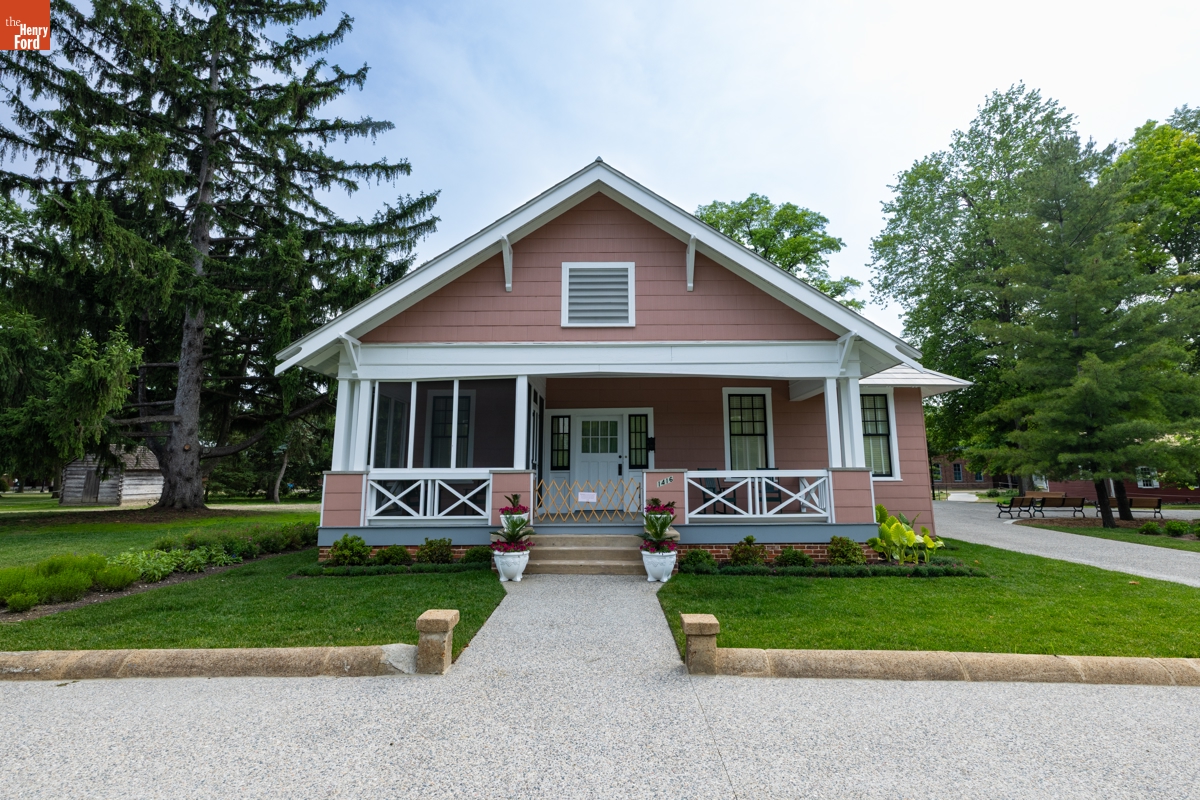
Dr. Sullivan & Mrs. Richie Jean Sherrod Jackson Home
The home of Dr. Sullivan and Richie Jean Jackson, originally located in Selma, Alabama, is a Civil Rights Movement landmark. The home served as a refuge where Dr. Martin Luther King, Jr. and other leaders worked, collaborated, strategized, and planned the 1965 Selma-to-Montgomery marches. These marches led to the signing of the Voting Rights Act on August 6, 1965.
03
Related Content
 Set
SetJackson Home: The House by the Side of the Road
- 18 Artifacts
The Jackson Home, originally located in Selma, Alabama, provided refuge and solace for Dr. Martin Luther King Jr. and others who worked, collaborated, strategized, and planned the Selma-to-Montgomery marches of 1965. The marches led to the signing of the Voting Rights Act on August 6, 1965, enshrining voting equality for all Americans as law.